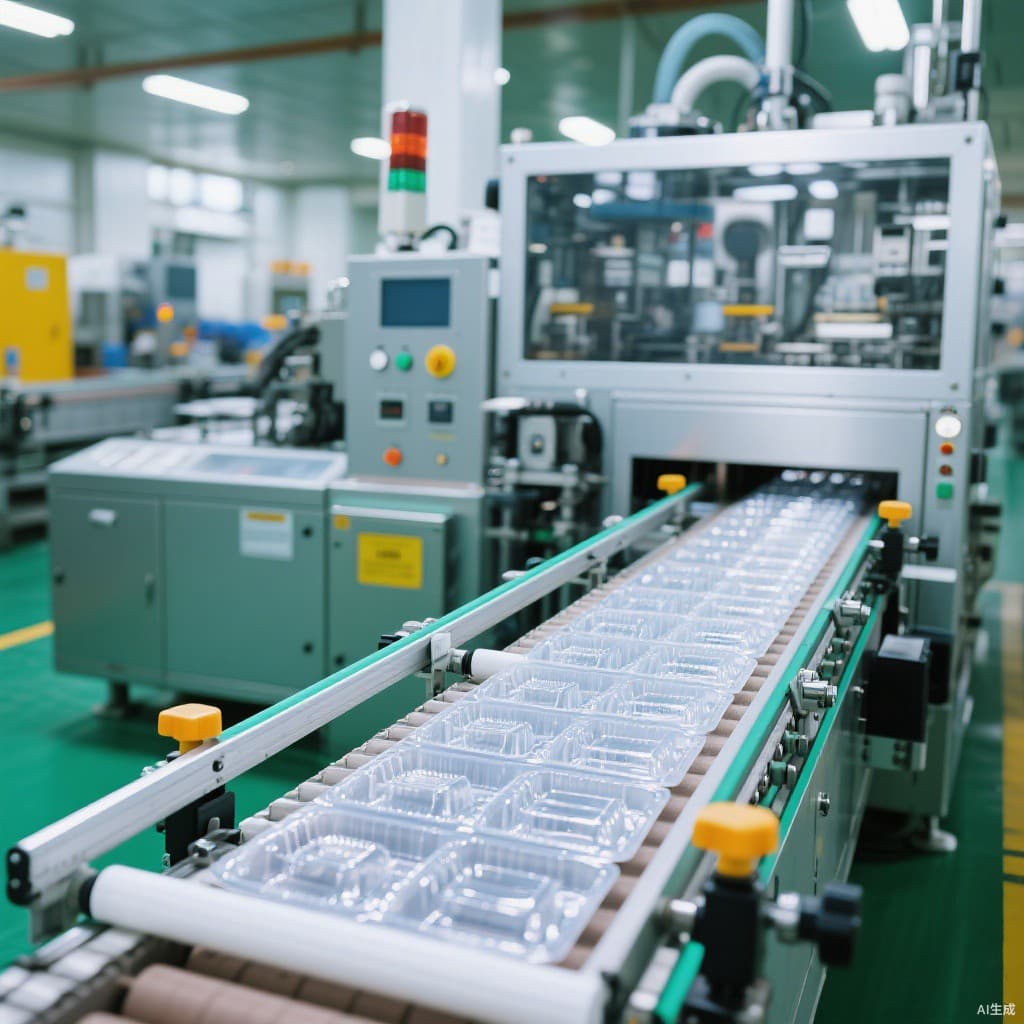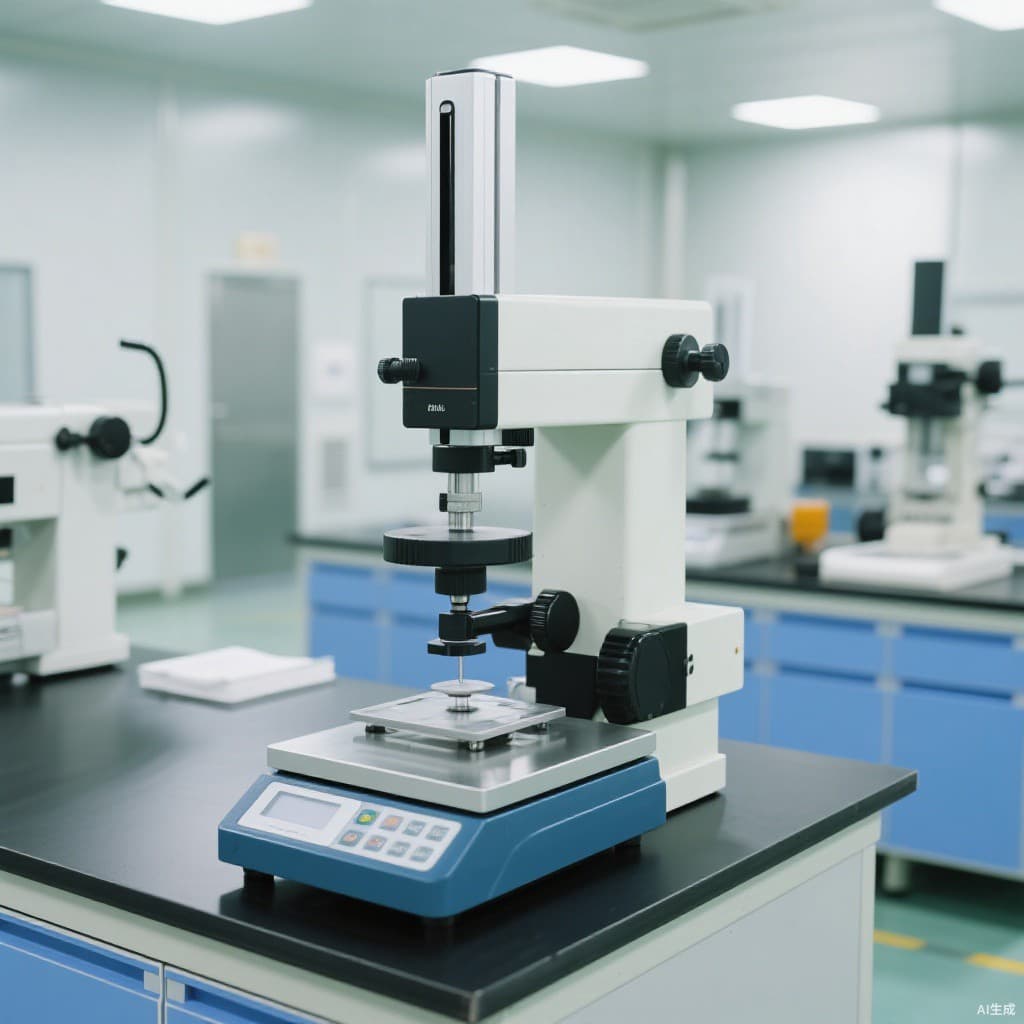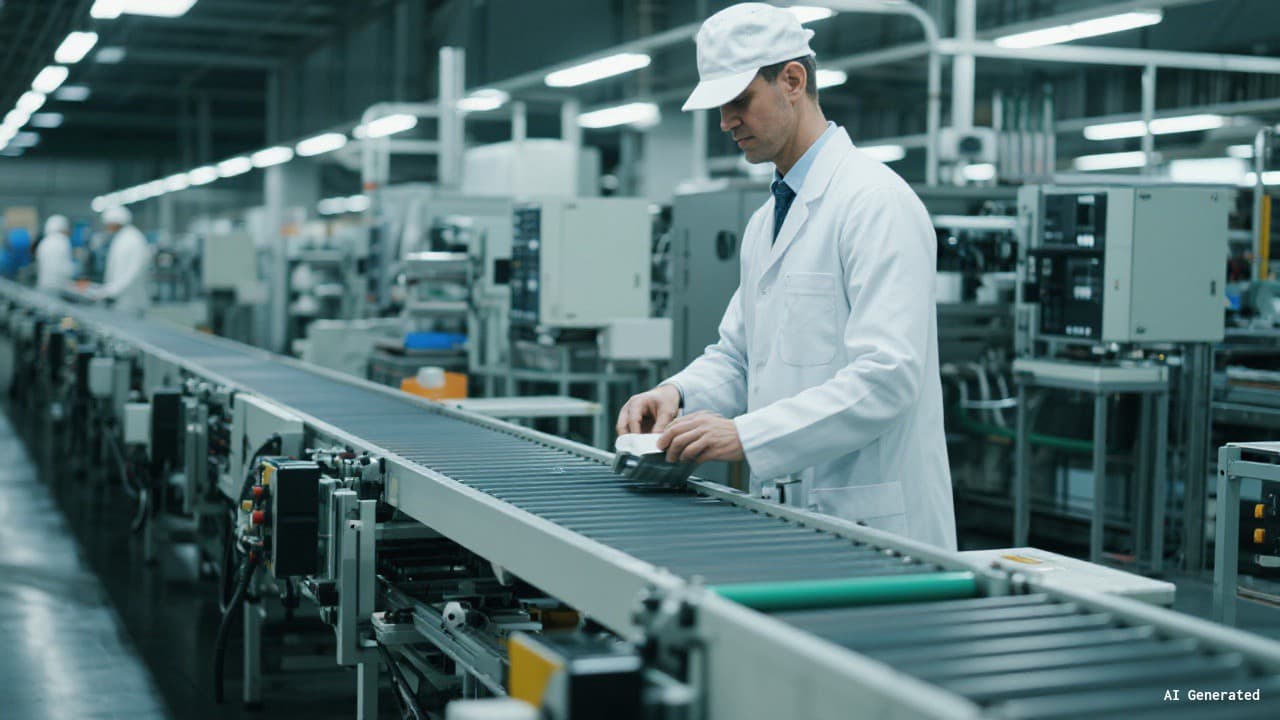
Polystyrene (PS), Polyethylene Terephthalate (PET), and Polypropylene (PP) are the three most widely thermoformed plastics used in custom packaging across the electronics, medical, food, and consumer goods industries. While all three can be vacuum formed into blister trays, clamshells, and inserts, their mechanical, thermal, and regulatory properties differ significantly. Choosing the wrong material can lead to packaging failure, compliance issues, or unnecessary cost. This article compares PS, PET, and PP across the criteria that matter most to packaging engineers. PS (Polystyrene) is the workhorse of thermoformed electronic packaging. It is rigid, easy to form, accepts conductive and dissipative additives well, and offers excellent dimensional stability at a competitive cost. Typical applications include semi-conductive IC trays, component carriers, and static-shielding inserts. PS performs well between -10°C and 70°C but becomes brittle at low temperatures and is not suitable for microwave or hot-fill applications. PET (Polyethylene Terephthalate) excels where transparency and toughness are required. Its high clarity makes it ideal for retail clamshells where product visibility drives purchase decisions. PET also offers superior impact resistance, is 100% recyclable with the #1 resin code widely accepted by recyclers, and complies with FDA food-contact regulations. PETG, a glycol-modified variant, is easier to thermoform and fold-seal, making it popular for medical trays and blister packs. The trade-off is higher material cost and slightly lower rigidity than PS. PP (Polypropylene) is the champion of heat and chemical resistance. With a melting point near 165°C, PP trays survive autoclave sterilization, microwave heating, and hot-fill processes, making them the default choice for food containers and medical devices. PP also resists a broad range of chemicals, acids, and solvents. However, PP is harder to thermoform—requiring higher processing temperatures and precise mold temperature control—and has lower room-temperature impact strength than PET. In summary, choose PS for cost-sensitive electronic packaging, PET for transparent retail and recyclable food packaging, and PP for high-temperature or chemical-exposure applications. A reliable thermoforming partner can run all three materials and will help you balance performance, compliance, and cost for your specific product.